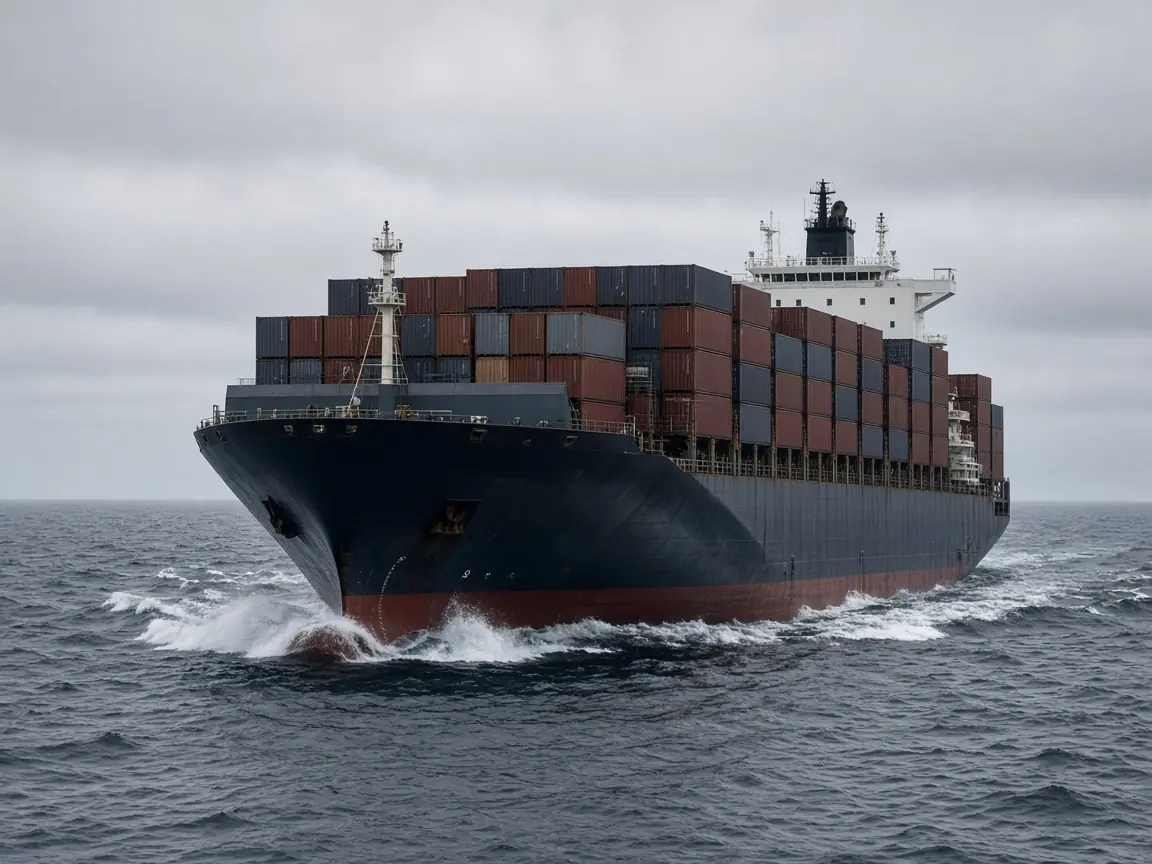
What it is
Ocean freight moves goods in shipping containers. With less-than-container-load (LCL) shipping, your cargo shares a container with other shipments; with full-container-load (FCL), a container is reserved for you. Sea transport is slower than air but usually far less expensive for heavy or bulky goods.
Who it suits
- Importers and exporters moving pallets or large volumes
- Businesses that can plan several weeks ahead
- Heavy goods where air freight would be uneconomical
How it works
- Share cargo details. Tell us the volume, weight, packaging and ports or cities involved.
- Plan the route. Staff review sailing options, origin and destination handling and documentation.
- Confirm. You receive a confirmed quote that lists what is and is not included.
- Track. Follow loading, departure, arrival and customs release as each is confirmed.
Information we need
- Origin and destination cities or ports
- Total volume (cubic metres) and weight, or dimensions of each pallet
- Commodity description and value
- The agreed terms of sale (Incoterms), if known
Good to know
- Shared-container (LCL) pricing is usually charged per "weight or measure": 1 cubic metre is treated as 1,000 kg, and whichever is greater is charged.
- Port charges, customs clearance and destination delivery may be quoted separately.